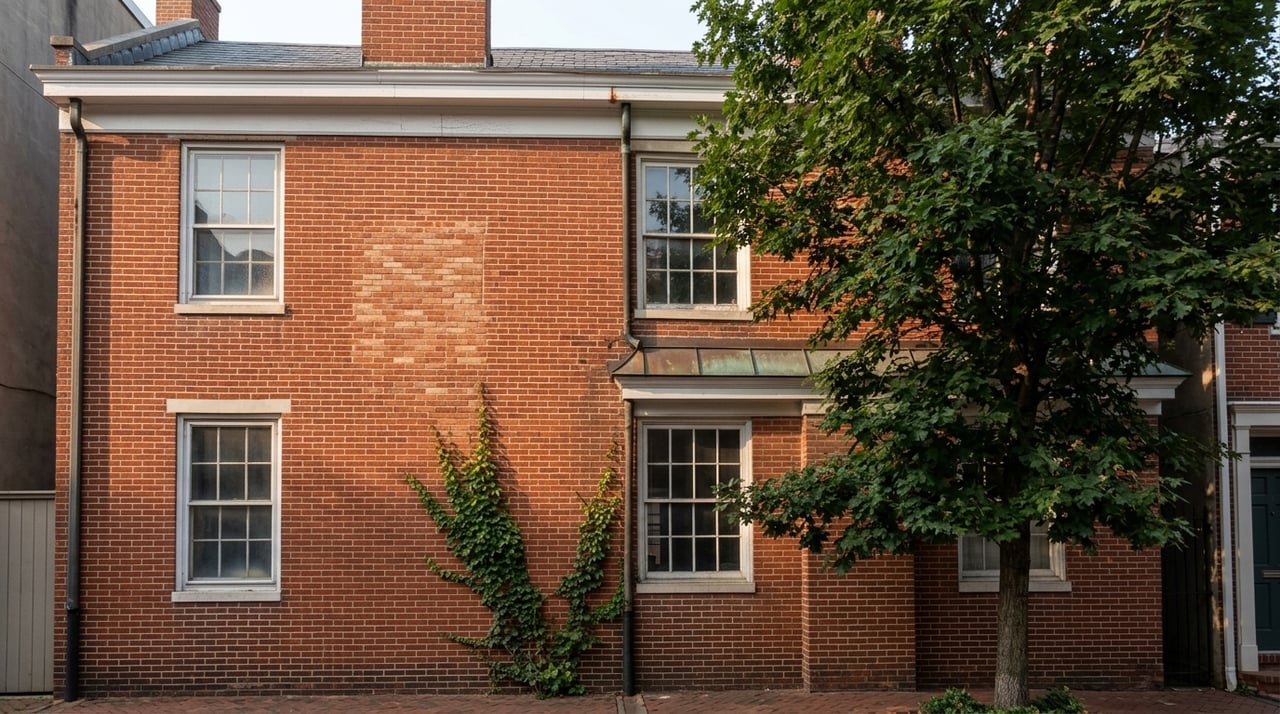
In Heritage Hill, Passing Inspection Is Only Step One
August 27, 2026
August 27, 2026
A buyer under contract on a foursquare near Fountain Street does everything right. They hire an inspector who works on historic homes for a living. The report comes back with the expected list: original knob-and-tube wiring tucked into the attic, a mix of galvanized and cast-iron plumbing in the basement, a foundation that has settled the way century-old foundations do after decades of Michigan freeze-thaw cycles. Nothing on the list is a shock. The buyer negotiates a credit, everyone signs off, and the deal moves toward closing.
Then the insurance call comes. The carrier has read the same inspection report and wants an electrician's sign-off, or a documented mitigation plan, before it will bind a policy. Now the buyer is juggling two timelines they didn't know they had: the closing date already on the calendar, and an underwriting requirement that surfaced after the inspection contingency was supposedly resolved.
That sequence, not the inspection itself, is what actually slows down historic home purchases in Grand Rapids' Heritage Hill, Eastown, and Cherry Hill districts. The inspection is table stakes. The friction lives one step past it, and it shows up in two places most buyers never think to ask about until they're already under contract: insurance underwriting and the city's historic design review.
In newer subdivisions, an inspection report is mostly a negotiating tool. A buyer finds an issue, asks for a credit or a repair, and the deal proceeds. In Heritage Hill, the same report often gets a second reader: the buyer's homeowners insurance carrier. Insurers routinely require electrical upgrades or proof of a mitigation plan before they'll bind coverage on a house where the inspector found knob-and-tube wiring or other legacy systems still in service. That means the electrical section of the report, the part a buyer in a home built in 2015 would barely glance at, can determine whether coverage is even available before closing.
The fix isn't complicated once a buyer knows to look for it. Getting a licensed electrician into the house during the inspection window, rather than after, means walking into underwriting with an actual quote or a completed upgrade instead of an open question. Sellers who already know their wiring is original can get ahead of it by having an electrician document the panel and circuits before the home goes on the market, which turns a scary line item into a known, priced cost rather than a surprise that stalls someone else's closing.
Grand Rapids has a genuinely wide range of housing stock, from late-1800s heritage homes to postwar subdivisions, and what surfaces during an inspection depends heavily on which decade a house was built in. In Heritage Hill and Eastown specifically, where much of the stock predates 1940, inspectors who specialize in older construction consistently flag the same handful of systems:
None of this makes a Heritage Hill or Eastown home a bad buy. It makes the inspection window busier than a buyer might expect, and it means the smart move is booking the sewer scope and radon test up front rather than waiting to see if the general inspection raises a flag first.
Say the inspection turns up a roof that needs replacing or a window that needs repair rather than removal. In most of Grand Rapids, that's a straightforward bid-and-schedule job. In Heritage Hill, and in the city's other designated historic districts, exterior work visible from the street generally requires a Certificate of Appropriateness from the city's Historic Preservation Commission before a contractor can start.
The Commission is a seven-member volunteer board appointed by the City Commission, and it reviews everything from roofing to window replacement to new construction inside district boundaries. Grand Rapids Magazine's coverage of the Commission's 2025 preservation awards gives a sense of the kind of projects that pass through this review: a Fountain Street home in Heritage Hill, a Cherry Hill home on Charles Avenue where the owners were rebuilding a 155-year-old foundation, and a commercial rehab on Wealthy Street. The Cherry Hill owners, who called the Commission before they called anyone else, later said the most useful part of the process was a staff member clarifying small details, like porch spindle spacing, that they wouldn't have known to research on their own.
That's the friction: an inspection can tell a buyer exactly what needs fixing, but in a historic district the fix itself needs a green light first. A buyer who assumes they can start exterior repairs the week after closing may instead be waiting on a Commission review, which is a real timeline to plan around rather than a formality to skip past.
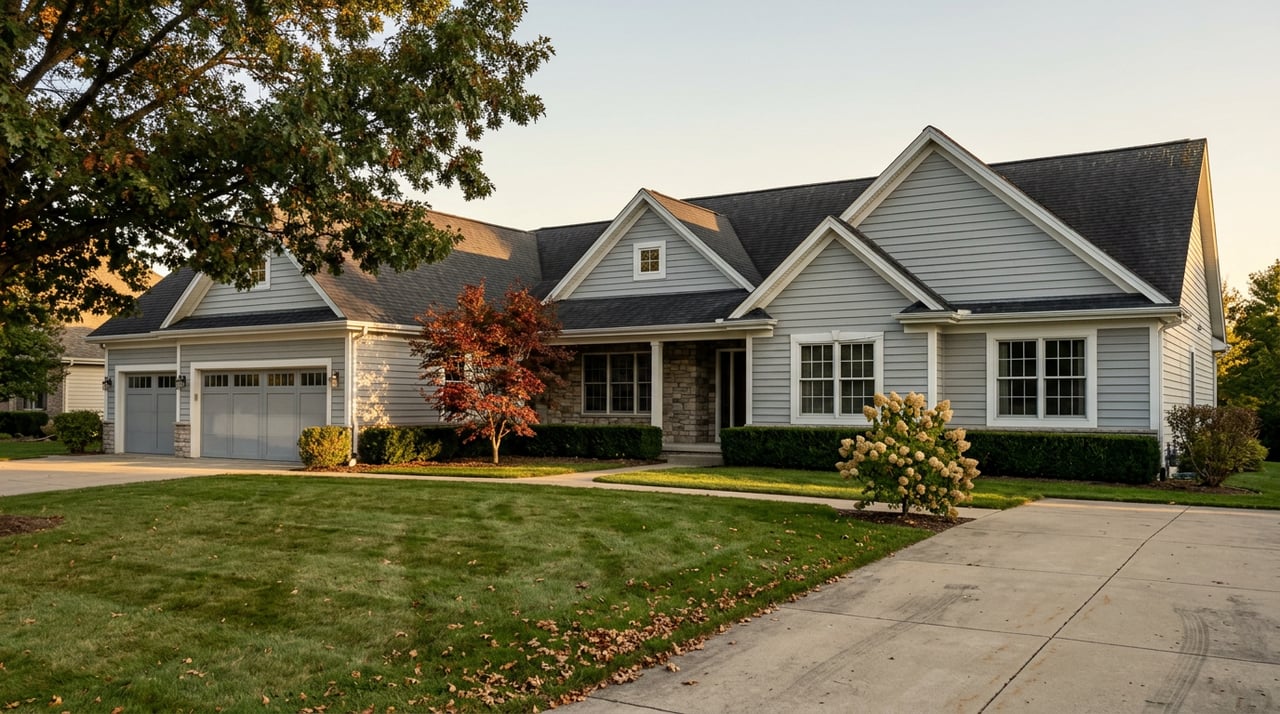
Grand Rapids has roughly 2,500 individually designated historic buildings spread across six historic districts and 80 individual landmarks, concentrated heavily in Heritage Hill but present in pockets of Eastown and Cherry Hill as well. A buyer looking at a rehabbed condo near the Medical Mile or a newer infill build downtown is very unlikely to run into either the insurance underwriting question or the Certificate of Appropriateness process, simply because those properties don't carry the original systems or the district designation that trigger them.
That's a real distinction worth pricing in before falling for the woodwork. The house with the wraparound porch and the leaded glass may also come with an electrician's visit before you can bind insurance and a Commission review before you can touch the exterior. Neither should scare a buyer off. Both should be on the calendar from day one instead of discovered mid-transaction.
A standard inspection in Grand Rapids typically starts around $425, with sewer scope and radon testing priced as add-ons rather than included by default. For a historic home, those add-ons are close to mandatory rather than optional, since they're the two findings most likely to affect either the negotiation or the insurance conversation. Layer in an electrician's evaluation during that same window, and a buyer walks into underwriting, and into any Commission conversation, with answers already in hand instead of open questions that stretch out the closing date.
No. Plenty of homes have been fully rewired over the decades. But it's common enough in homes from the late 1800s and early 1900s that a historic-savvy inspector and an electrician's walkthrough are worth arranging before a buyer is deep into underwriting.
Timelines vary by project scope, and the City of Grand Rapids' Development Center is the source for current review windows. The point for a buyer is simpler: budget for a review period before exterior work starts, rather than assuming a contractor can begin the week after closing.
That depends on your lender and your insurance carrier, not on the city. Some carriers will bind coverage with a documented mitigation plan in hand, others want the work done first. Getting an electrician's assessment during the inspection window, rather than after, gives a buyer time to learn which situation applies before it affects the closing date.
Kate Houseman has spent more than two decades matching buyers with Grand Rapids homes built long before subdivisions and drywall were the default, and helping sellers prepare those same homes for a smooth, well-documented sale. If you're weighing a purchase in Heritage Hill, Eastown, or Cherry Hill and want to know exactly what your inspection window should include before you write an offer, schedule a free consultation with Kate Houseman.
Stay up to date on the latest real estate trends.
Get assistance in determining the current property value, crafting a competitive offer, writing and negotiating a contract, and much more. Contact me today.