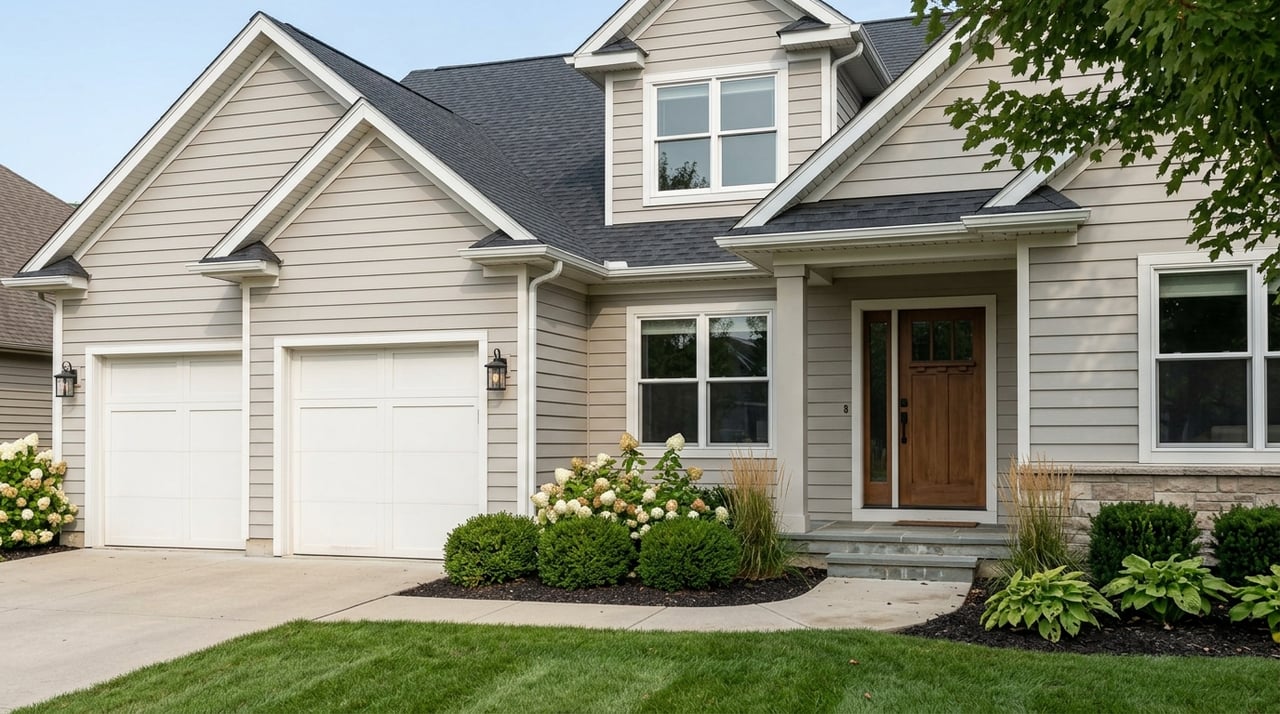
Cascade Move-Up Buyers Guide to Older vs. Newer Homes
June 11, 2026
June 11, 2026
Wondering whether your next home in Cascade should be full of character or feel fresh and turnkey? If you are moving up in the 49546 market, that choice can shape your budget, your weekends, and how much work you take on after closing. The good news is that both older homes and newer builds can be smart options when you know what to compare. Let’s break down how to decide with more confidence.
In Cascade and the 49546 ZIP code, move-up buyers are often weighing lifestyle as much as price. Census Reporter estimates 34,721 residents in 49546, with a median household income of $99,343 and a median owner-occupied home value of $417,900. In Cascade Charter Township overall, the owner-occupied rate is 90.7%, the median value of owner-occupied homes is $472,500, and median monthly owner costs with a mortgage are $2,301.
That matters because your monthly cost is only part of the picture. In this market, maintenance, lot upkeep, renovation plans, and neighborhood fit can have just as much impact on your day-to-day life. For many buyers, the better home is the one that matches your timeline and tolerance for ongoing projects.
Cascade also offers an established suburban setting with strong local amenities. The township highlights seven parks, about 17 miles of pedestrian pathways, and community events that add to the area’s appeal. Public addresses may fall within Forest Hills Public Schools, Caledonia Public Schools, or Lowell Area Public Schools, so address-level district verification is important when you narrow your search.
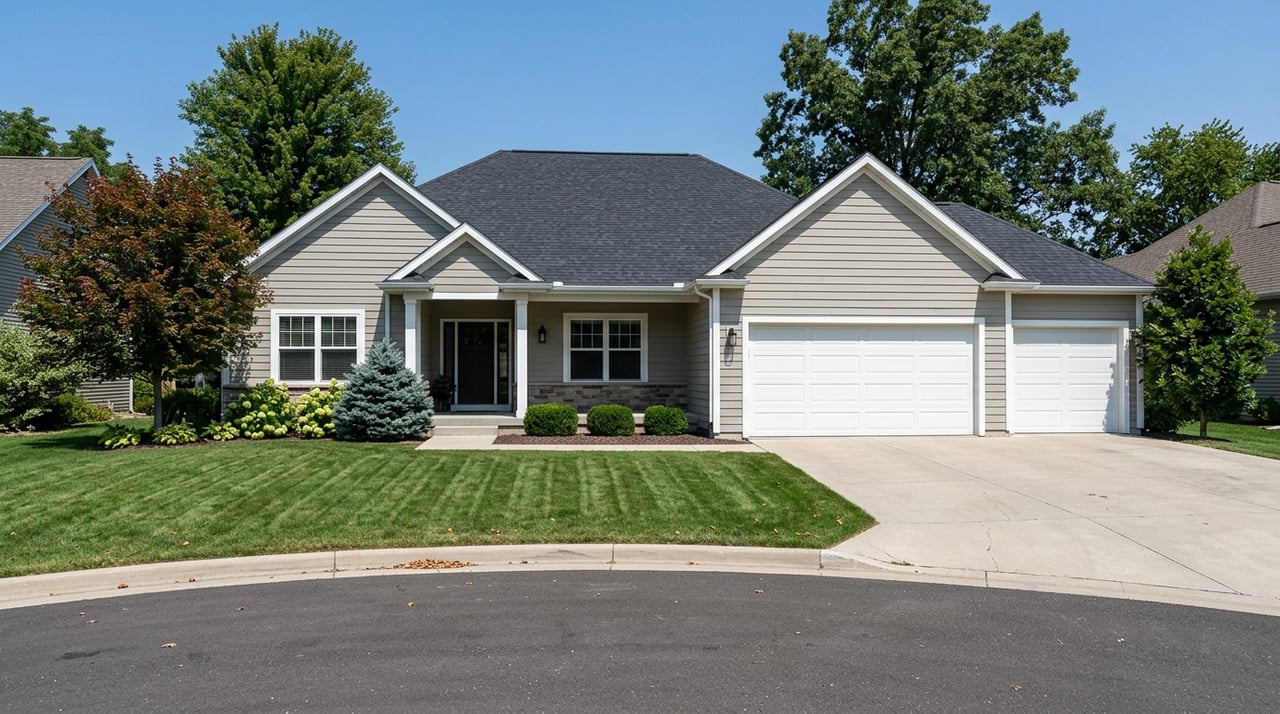
Older homes usually appeal to buyers who want personality and a more established setting. You may find mature landscaping, streetscapes that feel settled, and details that stand out from more standardized floor plans. For many move-up buyers, that sense of place is a major draw.
In Cascade, an older home can also offer a different lot feel than newer construction. You may see larger trees, more established yards, and neighborhoods that have had time to grow in. If your priority is character and a home that feels distinct, older properties often deliver that better than a brand-new build.
That said, charm usually comes with more questions. The right way to approach an older home is not to fear it, but to budget for it clearly. Your inspection and document review should help you understand what has been updated, what may need attention soon, and what costs could follow you after closing.
If you are seriously considering an older property, focus on the systems and upgrade history first. Ask about:
A home inspection should be treated as a planning tool, not a box to check. The Consumer Financial Protection Bureau advises buyers to schedule an independent inspection early enough to leave time to address issues, and notes that major repairs can become lender concerns before closing.
For buyers who expect to renovate, permit history is especially important. Cascade Township notes that building permit applications require zoning approval from the township or city where the work is located. If a home shows off a finished basement, addition, major mechanical work, or other upgrades, it is smart to verify whether those improvements were properly permitted when possible.
This can help you separate real value from cosmetic work. A home that looks updated on the surface may still leave you with future cost or compliance questions. On the other hand, a well-documented older home can offer both character and confidence.
If a home was built before 1978, lead-based paint should be part of your review. The EPA states that homes built before 1978 are more likely to contain lead-based paint, and buyers of most pre-1978 housing must receive lead information before a sale.
That does not mean the home is automatically a poor choice. It means you should understand the disclosure requirements and plan carefully if you expect to repaint or remodel after purchase. For the right buyer, this is manageable, but it should never be overlooked.
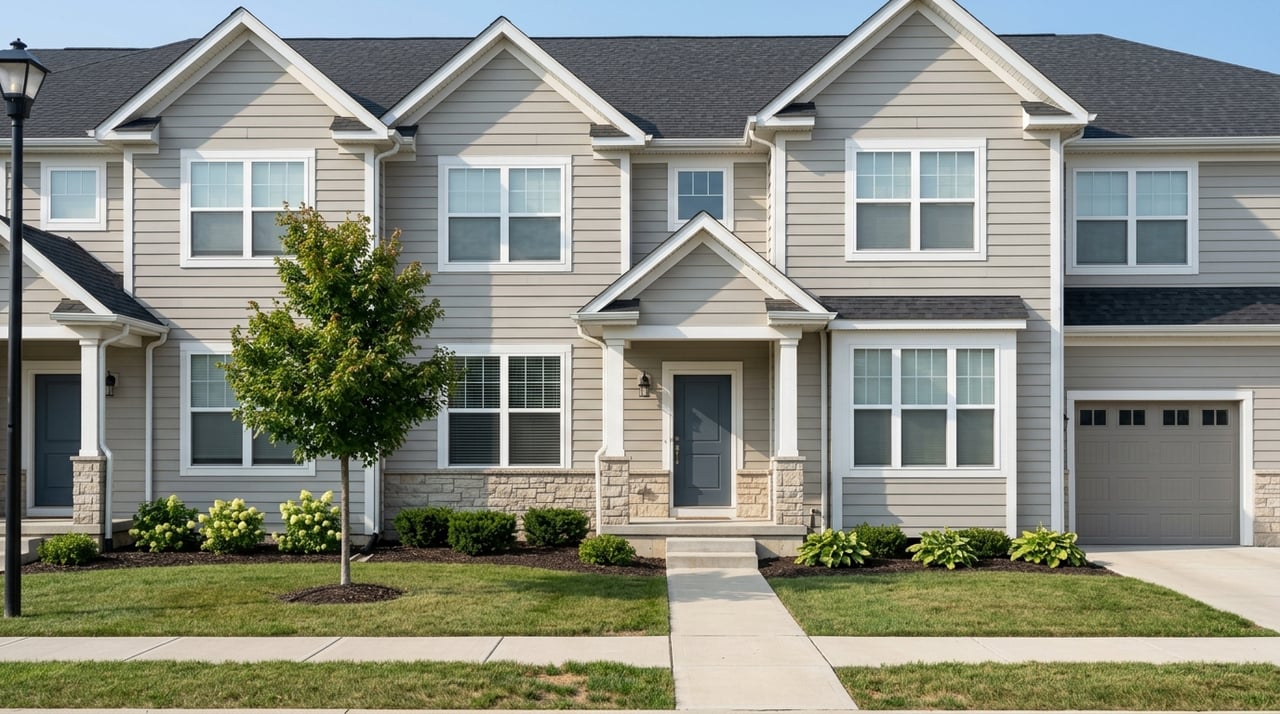
Newer homes usually appeal to buyers who want predictability. If your goal is a more turnkey move with fewer immediate repair surprises, newer construction can be a strong fit. Many move-up buyers are happy to pay more upfront for that convenience.
There is also an efficiency advantage to consider. Michigan’s current residential energy code baseline is the 2021 IECC with amendments, and the state’s code information shows the current residential code set is in force as of 2025. In practical terms, that means newer homes generally begin with a stronger envelope and insulation baseline than many older homes.
Of course, baseline does not mean identical performance. Actual utility costs still depend on the builder, lot exposure, orientation, and how you live in the home. That is why comparing utility expectations can be more useful than simply assuming every newer home will cost less to run.
Even if a home is brand new, it still deserves careful review. An independent home inspection remains valuable because it helps you understand the home’s physical condition before closing. The better question is not whether a new house needs an inspection, but what the inspection and final walkthrough may uncover.
You should also look beyond the interior finishes. Ask what exterior work may still become your responsibility after closing, such as:
These items can affect your actual move-in cost more than many buyers expect. A home may feel turnkey inside while still requiring time and money outside.
In Cascade, the newer-versus-older decision is often also a maintenance decision. A newer home may reduce repair risk in the short term, but you still need to think about lot size, exterior care, and how much upkeep fits your routine.
That is especially important for busy households. If you want a clean handoff into your next stage of life, the home that fits best may be the one that asks the least of you after move-in. For another buyer, a larger or more established lot may be worth the added work.
For most Cascade move-up buyers, the clearest framework is simple: project vs. predictability. Older homes tend to work best when you value character, established surroundings, and are comfortable managing updates over time. Newer builds tend to work best when you want a more standardized layout, a stronger efficiency baseline, and fewer near-term repair surprises.
Neither choice is automatically better in 49546. The smarter decision usually comes down to the specific property and how it fits your life. A beautiful older home can be the right move if the systems, disclosures, and permit history check out. A newer build can be the right move if the lot, layout, and post-closing costs still align with your budget.
Before you choose between an older home and a newer build in Cascade, ask yourself:
These questions can narrow your search faster than square footage alone. They also help you avoid buying a home that looks right online but feels wrong in practice.
In Cascade, older homes and newer builds can both be strong move-up options, but they serve different priorities. Older homes usually suit buyers who want personality and are willing to spend money and attention on maintenance or renovation. Newer homes usually suit buyers who want a more turnkey experience and are comfortable paying for that simplicity upfront.
The most important details are usually address-specific, not broad-market assumptions. School district assignment, permit history, inspection findings, lot upkeep, and the true monthly carrying cost can all matter more than the year the house was built. When you evaluate those details clearly, the right choice becomes much easier to see.
If you are weighing older homes against newer builds in Cascade, working with a local advisor can help you compare the real tradeoffs behind the photos. Kate Houseman offers thoughtful, high-touch guidance for West Michigan buyers who want clarity, steady communication, and a smart plan for their next move.
Stay up to date on the latest real estate trends.
Get assistance in determining the current property value, crafting a competitive offer, writing and negotiating a contract, and much more. Contact me today.