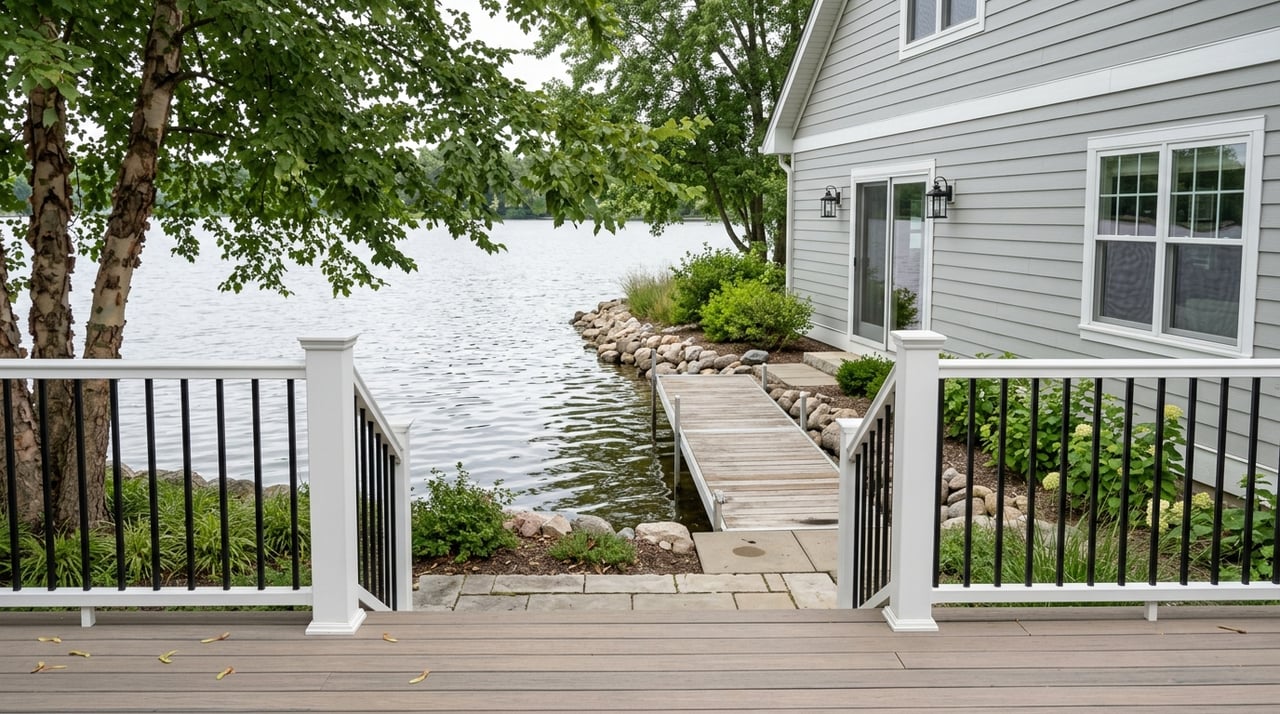
West Michigan Lakeshore Living for Ada & Cascade Homebuyers
May 7, 2026
May 7, 2026
Dreaming about a place near the water is easy. Choosing the right kind of West Michigan lakeshore property is the part that takes clarity. If you live in Ada or Cascade and you are thinking about a second home, future retirement spot, or lifestyle move, this guide will help you sort through the options, understand the tradeoffs, and focus your search on what fits your goals best. Let’s dive in.
For Ada and Cascade buyers, West Michigan lakeshore living is not one single product type. It is a range of settings that can include direct Lake Michigan frontage, dune or bluff properties, walk-to-beach cottages, condos in waterfront towns, and inland-water homes tied to places like Lake Macatawa or Spring Lake.
That matters because the right fit often comes down to how you plan to use the property. A summer retreat, a full-time residence, and a part-time getaway each create different needs around upkeep, access, taxes, and day-to-day convenience.
One of the biggest draws is lifestyle variety. From Ada or Cascade, the lakeshore offers a different pace, with beaches, waterfront trails, harbors, and seasonal recreation shaping how you spend your time.
It also gives you choices in how “waterfront” you want to be. Some buyers want open-lake views and beach access, while others prefer a more sheltered setting near a harbor, river, or inland lake that can feel easier to manage.
Grand Haven is one of the clearest examples of classic beach-town living. The area is known for sandy Lake Michigan shoreline, the state park, a boardwalk setting, and a lighthouse connection that gives the town a strong waterfront identity.
Nearby Spring Lake offers a different feel. It gives you access to the broader lakeshore environment with a more protected water setting along the Spring Lake and Grand River corridor, which can appeal if you want waterfront access without full exposure to open Lake Michigan conditions.
Holland offers both Lake Michigan beaches and the Lake Macatawa setting. That mix creates a broader range of property types and lifestyles, from beach-oriented homes to properties that are more connected to town, recreation, and inland water access.
The area also has a very defined seasonal rhythm. Official community materials highlight spring tulips, summer festivals, fall orchards, and winter holiday events, which makes Holland a useful example of a lakeshore market that stays active in different ways throughout the year.
Saugatuck and Douglas stand out as strongly vacation-oriented shoreline communities. Beaches, dunes, waterways, arts, and dining all shape the lifestyle here, and buyers will find cottages, homes, condos, and waterfront stays across the market.
This area is also a reminder that intended use matters. In Saugatuck, dwellings rented for less than 31 days require short-term rental licensing, along with annual licensing and inspection requirements.
South Haven is another strong option for buyers focused on beach access. The area includes Lake Michigan shoreline, public beach access points, inland lakes, rivers, and nearby state park access.
For you as a buyer, that means the market can serve more than one goal. South Haven can work as a pure beach-town choice, but it also supports a broader waterfront lifestyle built around seasonal recreation and time outdoors.
Muskegon County gives buyers a larger shoreline footprint to consider. Official tourism sources cite 26 to 27 miles of Lake Michigan beaches and three state parks, which creates a wide range of public access and recreation opportunities.
That broader footprint can be helpful if you want lakeshore living with a wider county-wide service base and more options across different shoreline settings.
These are often the properties buyers picture first. They may offer direct Lake Michigan access, elevated views, or a more dramatic waterfront setting, but they also require careful review of shoreline conditions, access, and site constraints.
These homes often deliver privacy, views, and a strong connection to the natural shoreline. They can also come with stricter rules, more complex maintenance considerations, and greater importance placed on permits and erosion review.
This option can be a smart middle ground. You may not sit directly on the water, but you still get much of the lifestyle appeal with potentially less exposure to shoreline issues.
If you want lower exterior maintenance, condo living may be attractive. This can be a good fit for buyers who want convenience, simpler lock-and-leave ownership, or a seasonal place without the workload of a detached home.
Not every lakeshore search needs to end at the open lake. Places like Lake Macatawa, Spring Lake, and Goshorn Lake show up repeatedly as alternatives for buyers who want a waterfront feel with a different setting and use pattern.
Seasonality is part of the ownership experience on the West Michigan lakeshore. Summer often brings the highest visitor activity, fuller beaches, and more movement in vacation-oriented areas, while off-season months can feel quieter and better suited for maintenance or personal downtime.
That rhythm can be a major plus if you want different ways to enjoy the property throughout the year. It also means you should think beyond a single summer showing and picture what the home feels like across all four seasons.
The Great Lakes do not behave like ocean shorelines. According to NOAA, water levels are driven mainly by wind, storms, precipitation, runoff, evaporation, and seasonal cycles, with levels generally lower in winter and higher in summer or fall.
In practical terms, beach width, shoreline usability, and even dock function can shift. A property that looks one way during a calm showing may feel different during another season or after a stretch of stormy weather.
That is why it is smart to evaluate long-term exposure and access, not just the photos or the appearance of the beach on one visit. Shoreline living can be beautiful, but it is dynamic.
Before you buy, check FEMA flood maps and review Michigan shoreline regulations. Shoreline properties may be affected by flood hazard areas, bluffs, floodplains, coastal wetlands, sand dunes, or developed lot restrictions.
Michigan EGLE also notes that some Great Lakes shoreline areas are designated as High Risk Erosion Areas, and Critical Dune Areas are regulated separately. Those designations can directly affect what can be changed or added on a property.
Permits may be required for additions, structures, septic systems, retaining walls, roads, sand removal, and other work in regulated shoreline areas. Work involving Great Lakes bottomlands may also require approval.
That means a lakeshore property should be evaluated not only for views and location, but also for what can legally be built, repaired, or protected over time.
A current survey and title review matter even more on the Great Lakes. Michigan describes private shoreline property on the Great Lakes as a movable freehold, which means the lakeward edge is not static over time.
You should verify setbacks, easements, access rights, and current boundaries rather than assuming older documents or listing images still reflect present conditions.
Michigan’s Principal Residence Exemption applies only when the home is your true principal residence. A typical second home does not receive the same school-tax treatment.
That is why your intended use should be clear from the beginning. A weekend retreat, future retirement home, and full-time residence can lead to different tax outcomes.
If rental income is part of your plan, verify local rules before you make an offer. Lakeshore municipalities can differ significantly in how they regulate short-term rentals.
For example, Grand Haven requires annual rental registration and limits short-term rental eligibility to certain zoning districts. Saugatuck requires a short-term rental license for dwellings rented for less than 31 consecutive days, with annual licensing and inspection.
For most Ada and Cascade buyers, the best starting point is not the prettiest listing photo. It is a clear use case.
Ask yourself:
Once you answer those questions, it becomes much easier to sort through towns, property types, and site conditions in a way that supports your long-term goals.
If you are starting your search from Ada or Cascade, these steps can help you stay focused:
A well-planned search usually leads to a better outcome than a rushed one. When the property matches the way you actually want to live, lakeshore ownership becomes much more enjoyable.
West Michigan lakeshore living can be an incredible fit if you approach it with the right lens. For Ada and Cascade buyers, the key is balancing lifestyle, setting, ownership costs, and local rules so you buy with confidence, not just emotion.
If you are thinking about a second home, a lifestyle move, or a future lakeshore purchase, Kate Houseman can help you compare options and create a focused plan that fits the way you want to live.
Stay up to date on the latest real estate trends.
Get assistance in determining the current property value, crafting a competitive offer, writing and negotiating a contract, and much more. Contact me today.