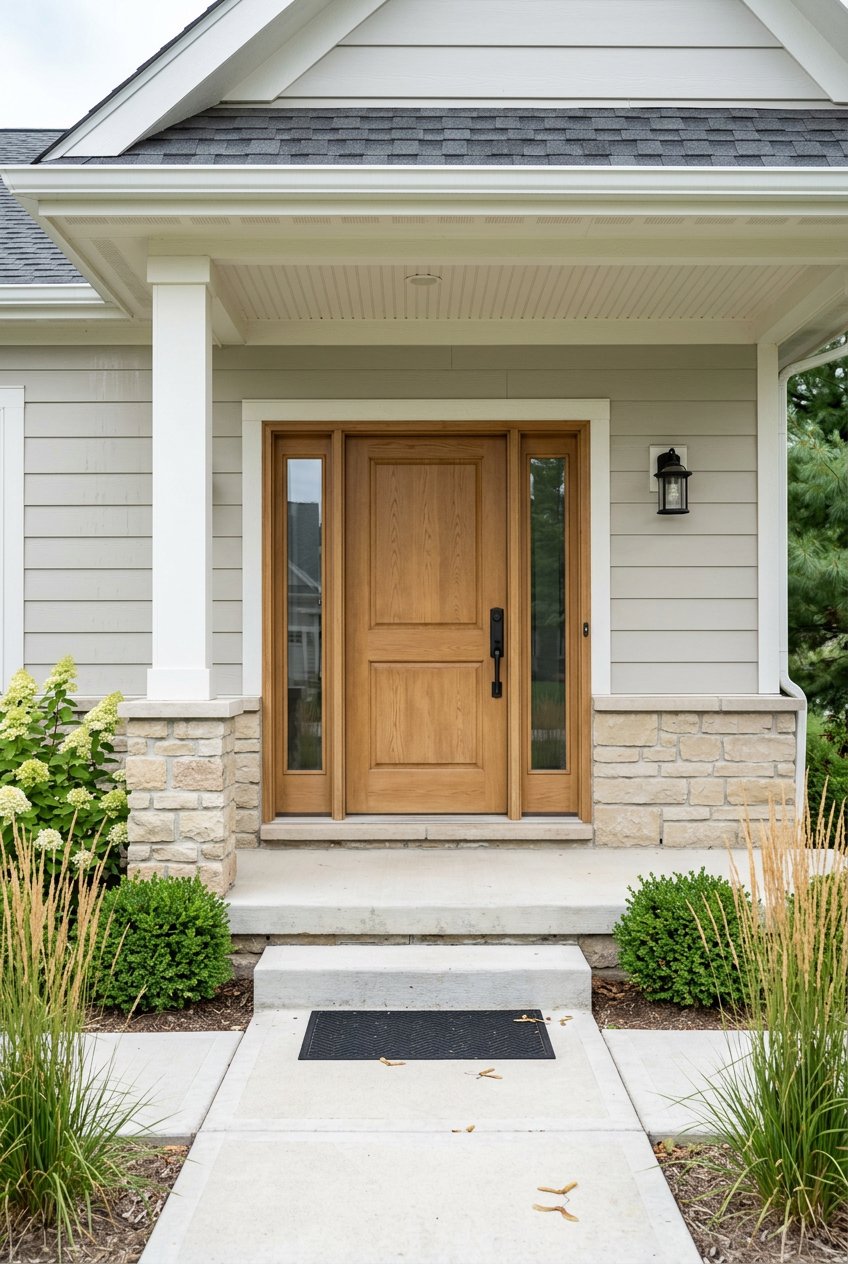
Ada New Construction Homes Near Cascade: What to Know
March 24, 2026
March 24, 2026
Thinking about building a new home near Ada or Cascade? You want the space, style, and energy efficiency that come with a brand-new build, but you also want a realistic plan for timing, cost, and the local steps that matter here. In this guide, you’ll learn how new construction typically looks in the Forest Hills area, what to confirm about a lot before you sign, and which contract and financing protections to insist on. Let’s dive in.
In Ada Township and Cascade Charter Township, new construction often prices at or above the area’s median existing-home levels. That reflects larger lots, today’s materials and labor costs, and builder warranties. Recent local listings show many single-family plans in the mid-$700ks to $900ks range, with some townhomes near Ada Village also priced in the mid-$700ks. Always confirm current pricing with the builder or MLS when you’re ready to move forward.
You’ll see three common paths:
Production or volume builders offer a defined set of floor plans and finishes. The upside is predictability and, in some cases, quicker delivery if you choose a spec home already underway. Local listings for production-style homes in the area often advertise about 8 to 10 months from contract to completion, which fits the broader 7 to 12 month rule of thumb.
Boutique builders handle most of the design and permit workflow while still letting you personalize finishes. You’ll often see these in smaller communities or infill pockets within Forest Hills school district boundaries. Timelines can be similar to production builds, though unique site conditions or custom selections may add weeks.
Custom homes are tailored to your architecture and site. Expect more pre-construction work, longer timelines, and a larger role in decisions. Site conditions like slope, trees, or wetlands can affect everything from driveway engineering to stormwater plans, so build in time and budget for due diligence.
In this area, the permit process is centralized. Cascade Charter Township’s Building Department performs plan review, issues permits, and conducts inspections for Cascade and, by contract, for Ada Township as well. Early in your process, review the Cascade Building Inspections page to understand submittals, timelines, and inspection milestones.
Every parcel has zoning rules that define what you can build and where. Some properties include environmental corridors, wetlands, or riparian buffers that limit the buildable area or require special approvals. If you are evaluating a lot, request the zoning certificate, verify setbacks and permitted uses, and ask whether any conservation easements apply. For background, review the township’s Zoning Ordinance.
Do not assume a lot is served by public utilities, even if it sits near other serviced homes. Many new-community lots connect to public sewer and water, while others in the broader township area rely on private wells and septic systems. Confirm availability, hookup fees, and who pays for extensions in writing before you sign. If a lot requires a septic system, budget for perc testing and a septic design.
Some projects need a Kent County Road Commission driveway permit or county approval before a building permit can be issued. You can see how these conditions come up in planning processes by reviewing publicly available planning items, like this local planning-commission case summary. Ask your builder early about driveway and road-connection requirements for your parcel.
Forested, sloped, or river-adjacent lots are common near the Thornapple and can require geotechnical studies, engineered driveways, and added erosion controls. If your dream lot has elevation changes, set aside time and budget for soils reports and civil engineering.
Plan for discrete permit fees across trades and several inspections throughout the build. Cascade’s forms and fee schedules make the process more transparent. Review the current forms and permits page and get a timeline for reviews so you can set realistic move-in expectations.
Nationally, a single-family home often takes close to 10 months to build from ground-breaking to completion. That aligns with what many local builders advertise for this area. For broader context on typical timelines, see this overview of average build times.
A simple planning framework:
If you have a specific school-year or job-start target, choose a plan and lot with a realistic delivery window and limit late-stage changes.
Your total price reflects more than just materials and labor. It includes the lot, site work, builder margin, design selections, financing costs during construction, and warranty coverage. In Ada and Cascade, many new homes price around or above the area’s median resale levels. That premium reflects lot scarcity in Forest Hills boundaries, today’s construction costs, and new-home features.
When you compare, look beyond list price. A newer build can reduce the first several years of repair and efficiency upgrades, while an existing home might cost less upfront but need renovations. Either way, budget a contingency for the unknowns, especially if you are building on a wooded or sloped parcel.
A builder agreement for a to-be-built home should spell out the purchase price, deposit schedule, included features, upgrade allowances, completion window, change-order rules, and warranty terms. Because permits and inspections govern occupancy, make sure your contract accounts for the required approvals. Michigan’s licensing and permit guidance offers helpful context on inspections and occupancy; review the state’s building permit information as you prepare.
Deposit amounts vary by builder type. Production builders may require modest earnest money, while custom contracts often use milestone deposits. Ask whether deposits are refundable if permits are not obtained and whether funds are held in escrow. To reduce lien risk at closing, request lien waivers from subcontractors with each draw and have your title company or attorney verify documentation.
Many buyers use construction-to-permanent loans that convert to a standard mortgage at completion. Not all lenders offer them, and builders must meet lender criteria. If you are considering an FHA construction option, review this guide to FHA construction-to-permanent loans and speak with a local lender early. Whichever loan you choose, get prequalified for the permanent phase and confirm that the builder accepts your loan structure.
New homes still benefit from independent inspections. Build in a pre-drywall inspection to review framing, rough mechanicals, and insulation, then schedule a final inspection before closing to confirm finishes and function. Understand how your township’s inspection steps tie to the Certificate of Occupancy, and keep punch-list timelines in writing. Michigan’s permit and inspection overview can help you anticipate checkpoints.
Most reputable Michigan builders offer a one-year workmanship warranty, with additional coverage for systems and structural elements. Many also back the home with an insurance-supported program that provides one-year workmanship, two-year systems, and a 10-year structural warranty. Learn what is commonly covered by reviewing the 1-2-10 warranty structure and make sure the warranty exhibit is attached to your contract.
Use this quick list to stay organized and reduce stress:
If you want a clear plan from lot selection through closing, bring your questions and your wish list. You’ll get a realistic timeline, a financing roadmap, and a strategy to protect your interests at every step. When you are ready, connect with Kate Houseman to schedule a free consultation.
Stay up to date on the latest real estate trends.
Get assistance in determining the current property value, crafting a competitive offer, writing and negotiating a contract, and much more. Contact me today.