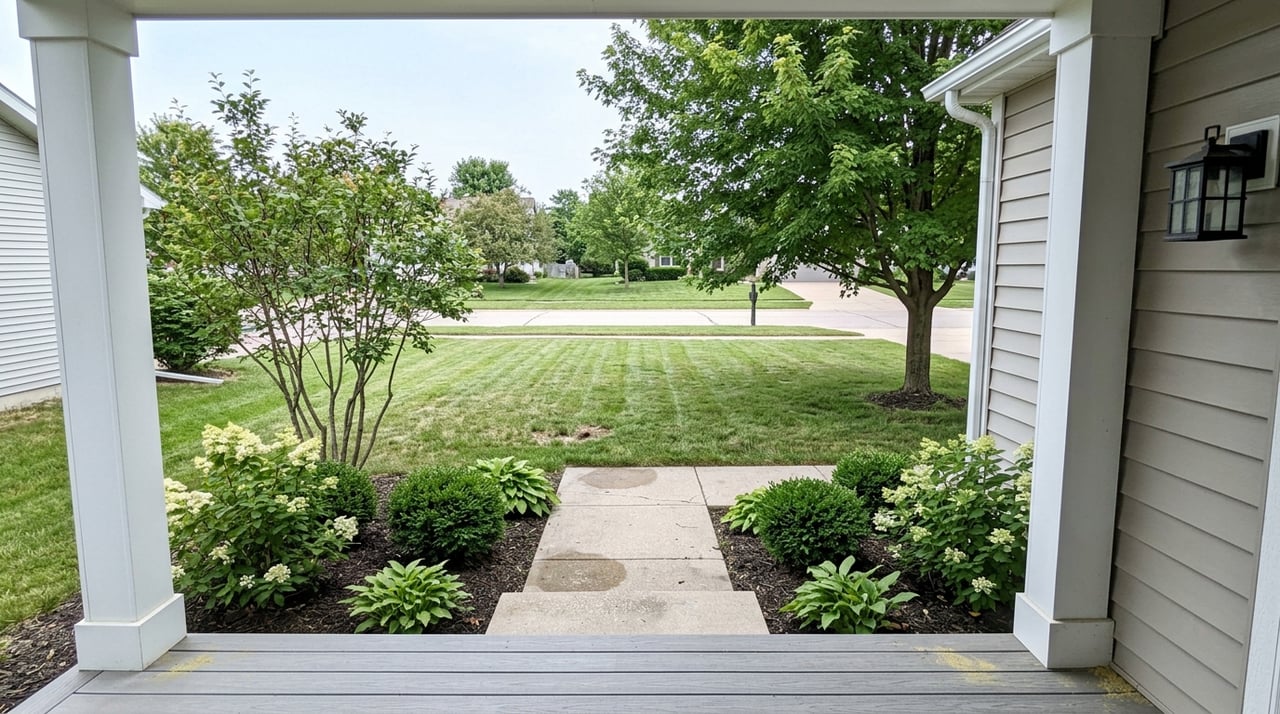
Is Now the Right Time for Grand Rapids Move-Up Sellers?
April 16, 2026
April 16, 2026
If your current home no longer fits your day-to-day life, you may be asking the right question at the right time. In Grand Rapids, sellers can still benefit from limited inventory, but moving up is not just about getting a strong price for your current home. You also need a clear plan for your next purchase, your monthly payment, and your timing. Here’s how to decide whether listing now makes sense for you and what to do before you commit.
Grand Rapids remains a moderately competitive market. According to the local market data summarized in the research report, the median sale price in Grand Rapids was $285,000 in February 2026, homes received about four offers on average, and typical market time was about 16 days.
That is good news if you are thinking about selling. It suggests that a well-priced, well-prepared home can still attract attention quickly. At the same time, the same conditions that can help you sell may also make your replacement-home search more competitive.
Countywide inventory also remains tight. The March 2026 Kent County report showed 610 residential current listings and just 0.9 months of inventory, which points to a low-supply environment.
For move-up sellers, that creates a two-sided reality. You may have a favorable window to list, but you need to be realistic about how much choice you will have when shopping for your next home.
Many move-up sellers are not just looking for any next house. You may need more bedrooms, a different layout, more yard space, or simply a home that works better for your current stage of life.
That is why larger-home inventory matters so much. The research report notes 87 four-bedroom homes for sale in Grand Rapids and 295 four-bedroom homes in Kent County, which shows that options exist but the pool is not especially deep.
If your move depends on finding a very specific type of property, this is where planning becomes essential. A fast sale is helpful only if you also have a workable path to your next home.
Before you choose a listing date, look at your equity. The Consumer Financial Protection Bureau defines home equity as the current value of your property minus what you still owe on your mortgage.
That number gives you the foundation for every other decision. It affects your down payment, your ability to cover selling costs, and how comfortably you can move into a higher price point.
Just remember that equity is not the same as cash in hand. Your sale proceeds will likely be reduced by commissions, fees, taxes, and other transaction costs.
One of the most common mistakes move-up sellers make is focusing only on estimated sale price. A stronger question is this: What will you actually walk away with after the sale closes?
Freddie Mac says sellers should budget for closing costs, with real estate commissions often ranging from 3% to 8% of the sale price and fees and taxes often ranging from 2% to 4%. Freddie Mac also notes that buyer closing costs generally run 2% to 5% of the purchase price.
In other words, your next move needs to work on both sides of the transaction. You need enough proceeds to pay off your current mortgage, cover selling costs, and still contribute toward the purchase and closing costs on your next home.
A simple net-proceeds estimate can help you answer key questions like:
Even if you have strong equity, the monthly payment on your next home may still be much higher. That is because today’s mortgage rate environment may look very different from the rate on your current loan.
According to Freddie Mac’s Primary Mortgage Market Survey, the average 30-year fixed rate was 6.37% on April 9, 2026, and the average 15-year fixed rate was 5.74%.
For many homeowners, this is the real decision point. You may be able to afford a move-up purchase on paper, but the monthly payment could still feel very different once you combine a larger loan amount with today’s rates.
Before you list, ask a lender to compare:
This step can turn a vague goal into a clear yes-or-no decision.
Timing matters just as much as pricing. The CFPB notes that people who want to move normally try to sell their home first before buying another one.
For many Grand Rapids move-up sellers, that is the most practical path. Selling first can reduce financial stress and give you a firmer budget for your next purchase.
Still, every household is different. You may be able to manage overlap between homes, or you may need your current sale to close before you can move forward.
If you are considering borrowing against your current home before it sells, be careful. The CFPB warns that home equity loans are secured by the home and can lead to foreclosure if they are not repaid.
If you do decide to list, preparation matters. In a market where buyers move quickly, presentation can help your home stand out and support a stronger result.
The research report recommends budgeting for common pre-list work such as staging, carpet cleaning, interior painting, landscaping, and general repairs. These are practical steps that can improve how your home shows both online and in person.
For move-up sellers especially, strong preparation does two things at once. It can help you maximize your sale proceeds, and it can reduce the chance of your home lingering while you are trying to coordinate the next purchase.
If your move could involve a school change, timing should be part of your strategy from the beginning. This is not just about the home search. It is also about application windows, deadlines, and transportation logistics.
According to Grand Rapids Public Schools School of Choice information, the 2026-27 application window runs from April 13 to May 15, 2026, with remaining seats available until August 24, 2026. GRPS also states that transportation is not provided for School of Choice scholars.
The research report also notes that Kent ISD advises families to review district websites when comparing districts and that transportation is not provided for Schools of Choice students. The practical takeaway is simple: verify deadlines and transportation details before you list, not after you are already under contract.
If you are trying to decide whether now is the right time, use this checklist as a starting point:
When these pieces line up, listing becomes much less of a guess and much more of a strategy.
For many Grand Rapids move-up sellers, the answer may be yes, but only if the full picture works. Limited inventory and steady buyer demand can support a successful sale, yet the better question is whether your next move is affordable, timed well, and realistic in today’s market.
If you want to move up with confidence, start with the numbers, then build your timeline around your household needs. When you know your equity, likely proceeds, target payment, and replacement-home options, you can make a smarter decision without rushing.
If you are thinking about your next move in Grand Rapids or Kent County, Kate Houseman can help you evaluate your home’s likely value, map out a pre-list strategy, and create a plan that fits your timing and goals.
Stay up to date on the latest real estate trends.





Get assistance in determining the current property value, crafting a competitive offer, writing and negotiating a contract, and much more. Contact me today.