Downtown Grand Rapids Or Suburbs? How To Choose
July 23, 2026
July 23, 2026
Wondering whether downtown Grand Rapids or the suburbs fit you better? It is a common question, especially when you want a home that matches not just your budget, but your everyday routine. The good news is that in the Grand Rapids area, you do not have to choose between convenience and character. You simply need to decide which lifestyle feels most natural to you. Let’s dive in.
The biggest difference between downtown Grand Rapids and suburbs like Cascade or Ada is how your day feels.
Downtown Grand Rapids offers a compact, active setting with restaurants, museums, festivals, public spaces, and entertainment close together. If you like the idea of stepping out for dinner, walking to events, or keeping errands tight and simple, downtown supports that kind of routine. It is less about square footage and more about proximity.
Cascade and Ada offer a more residential pattern. In both communities, local planning emphasizes parks, pathways, natural areas, and village-style gathering spaces. If your ideal day includes quieter streets, more greenery, and a little more separation between home and activity, the suburban rhythm may feel like a better fit.
If you want to stay close to action, downtown Grand Rapids stands out.
The downtown area is designed to support movement without relying on your car for every short trip. DASH, the free downtown circulator, runs seven days a week and arrives about every 8 minutes through downtown neighborhoods. The Rapid adds regional bus service, which makes a walk-plus-transit lifestyle more realistic for many residents.
Downtown also offers practical parking options, including ramps, lots, accessible spaces, EV charging, 24/7 parking facilities, and a residential permit program. That means you can still keep a car while enjoying a setup that may reduce how often you need it. For some buyers, that balance is a major plus.
The city’s strategic plan also shows that a meaningful share of work trips were made by transit, walking, biking, or ride-sharing, and that many residents lived near frequent all-day transit service. In simple terms, downtown supports a more connected, lower-car daily pattern than many suburban areas.
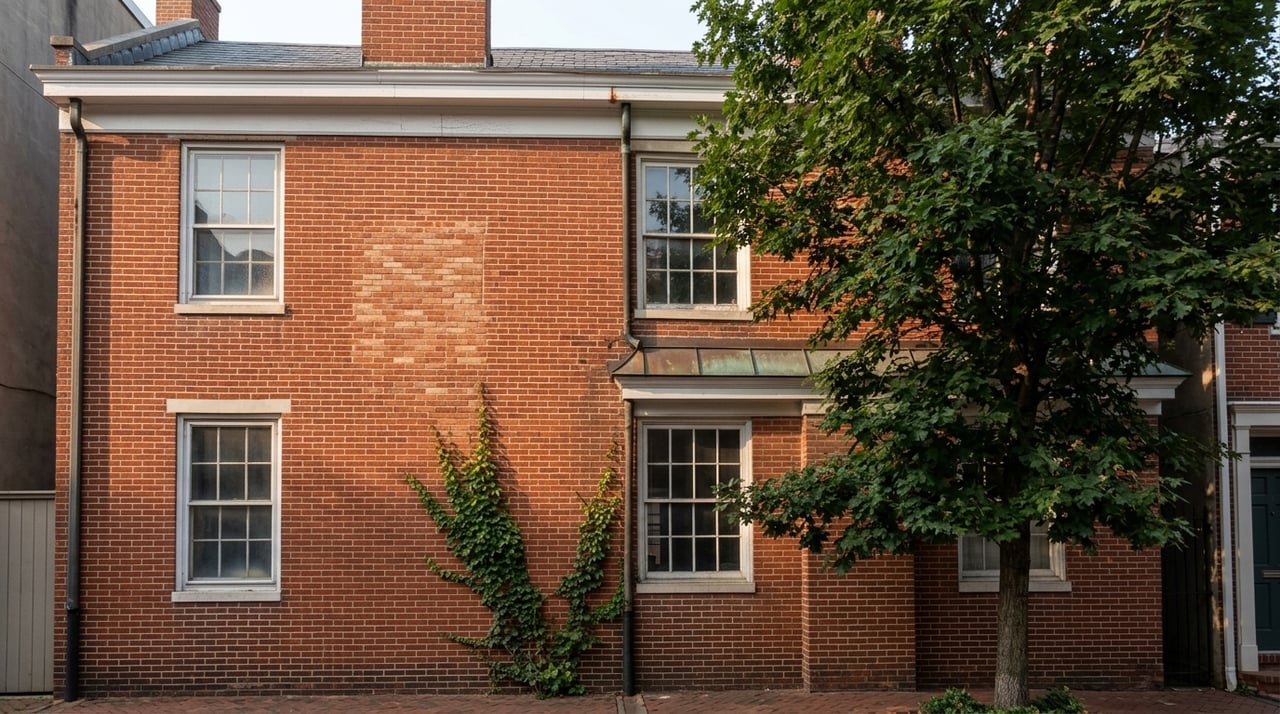
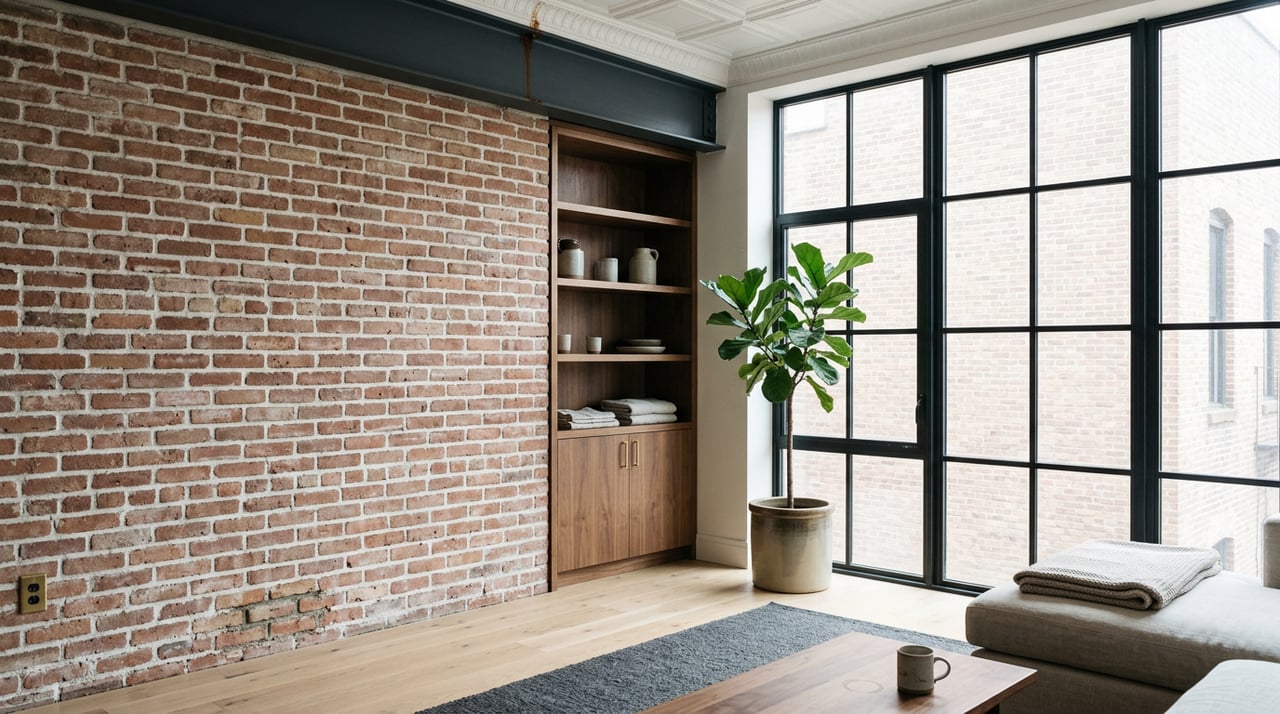
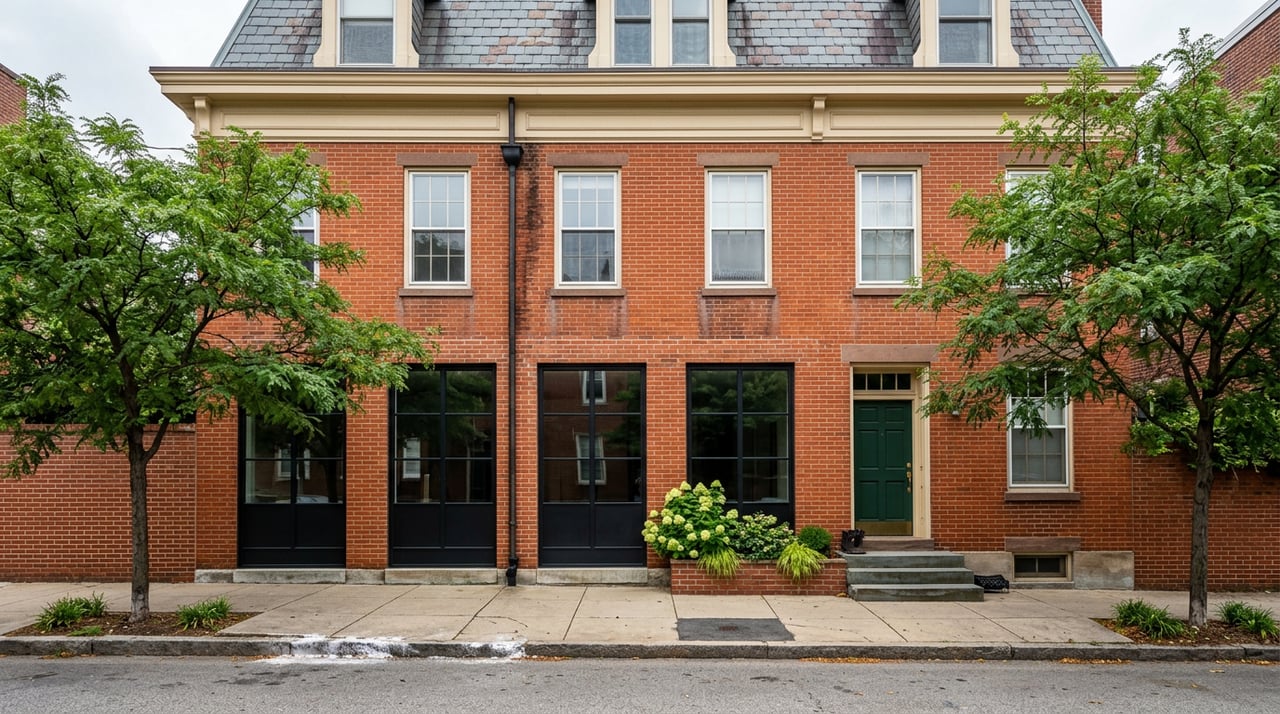
Downtown housing tends to include lofts, apartments, condominiums, and attached townhomes. City planning documents also point to continued demand for smaller homes and more housing variety.
If you picture yourself in a lower-maintenance property with nearby dining, cultural venues, and public spaces, downtown may line up well with your goals. If you want a larger detached home or a more traditional neighborhood layout, you may feel more comfortable outside the urban core.
Downtown Grand Rapids is not just a location. It is a lifestyle built around access.
You will find a compact district with more than 300 restaurants, shops, performance venues, nightspots, and cultural sites, along with year-round events. Public gathering spaces also shape the experience, including Rosa Parks Circle, which the city describes as a central venue for events and community activity.
If you are leaning toward a classic suburban setup, Cascade is often the clearest match.
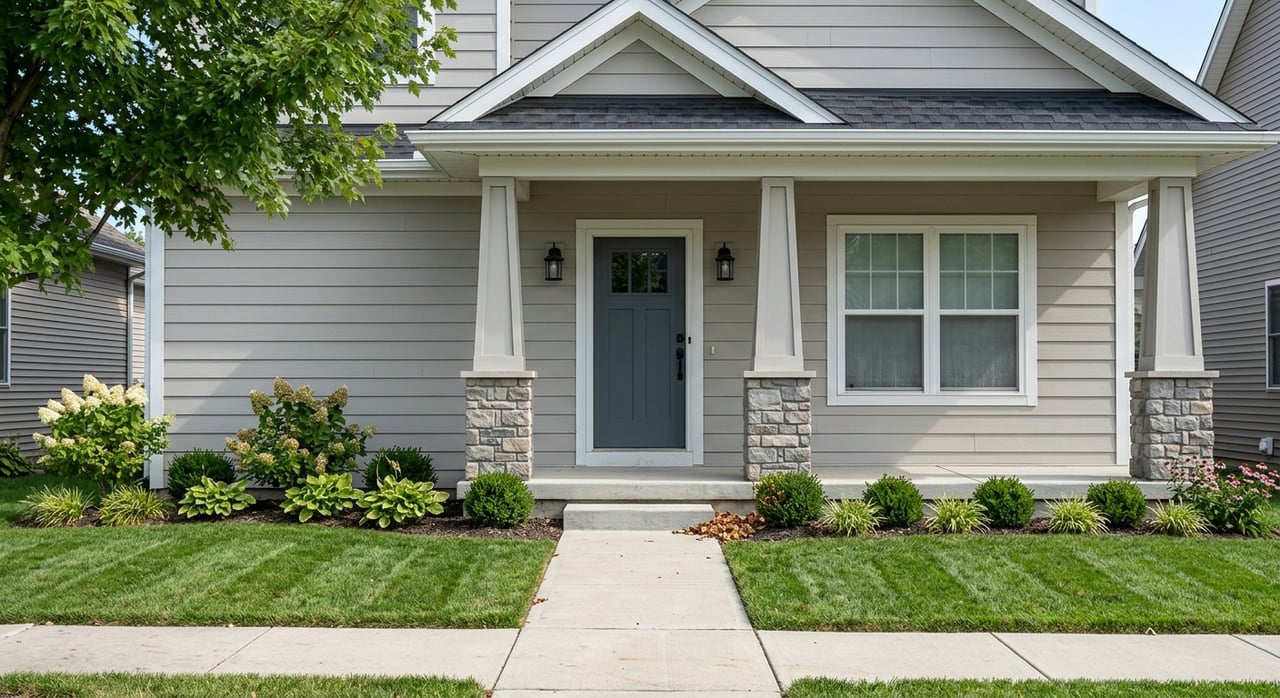
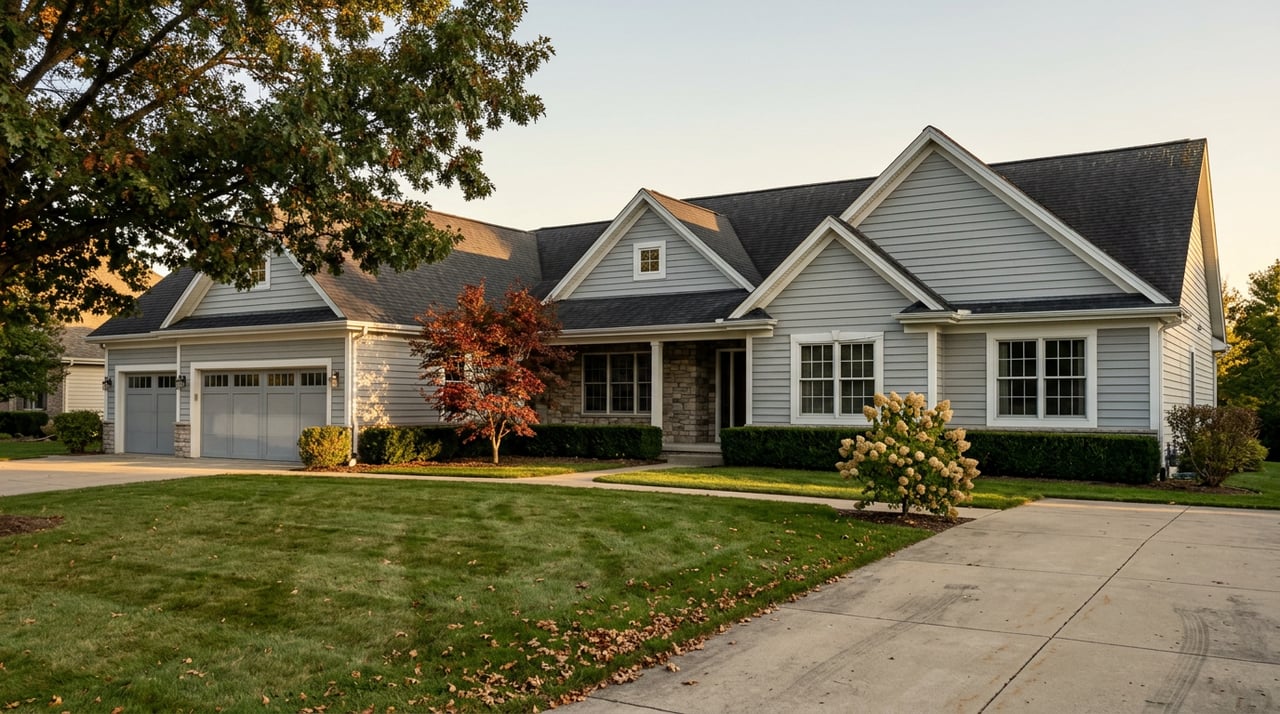
Cascade Township’s planning documents describe much of its housing as suburban residential, with many single-family detached homes on smaller lot sizes. The township also allows attached condominiums and other housing types in certain areas, but overall, Cascade reads as the most traditional suburban option in this comparison.
For many buyers, that means more space, a more residential streetscape, and a layout that feels centered on home, neighborhood, and local recreation. If that is the environment you want at the end of the day, Cascade deserves a close look.
Cascade combines suburban housing with strong outdoor infrastructure. The township says it has 17.3 miles of pedestrian pathways that are maintained year-round, and its programming includes walking clubs and seasonal events.
Local planning also emphasizes a walkable and bikeable village environment, with pathway connections to shopping, employment, and neighborhood destinations. That does not make Cascade urban, but it does show a clear effort to make everyday movement easier and more connected.
Cascade has seven parks, a large pathway system, and recurring community events such as concerts, holiday gatherings, and family activities. Township materials also highlight land stewardship, habitat preservation, and active neighborhood recreation.
If your ideal weekend includes time outdoors, local events, and a home base that feels a little quieter, Cascade offers a strong suburban lifestyle with built-in recreational options.
Ada often appeals to buyers who want something between downtown energy and suburban quiet.
According to Ada Township’s master plan, the village area mixes restaurants, offices, retail, and residential uses. Recent growth has added attached residential units and mixed-use buildings, even though the township remains predominantly single-detached in its housing pattern.
That balance gives Ada a different feel from a typical subdivision. You still get a mostly residential setting, but with a more defined village center and a little more mix of uses in the core.
Ada’s planning documents emphasize an extensive non-motorized trail network and a desire for residents to reach daily amenities by bike or on foot. The village center also adds restaurants, coffee shops, a specialty grocery store, a boutique hotel, a farmers market, and regular events.
In practical terms, Ada can work well if you want local amenities and a recognizable town center without giving up a greener, more residential setting. It offers a middle-ground lifestyle that many relocation buyers and move-up buyers find appealing.
Ada also stands out for its access to nature. Kent County parks notes that Seidman Park connects to downtown Ada and Roselle Park through the Ada Trail. Chief Hazy Cloud Park includes more than 4,700 feet of Grand River frontage and 122.6 acres of woods and wetlands.
If outdoor access is high on your list, Ada offers an appealing mix of village convenience and natural beauty. That combination is a big part of why it feels different from both downtown and more conventional suburban areas.
If you want a quick shorthand, think of it this way:
That simple framework can help you cut through the noise. None of these options is universally better. The right choice depends on how you want to live day to day.
Before you choose between downtown Grand Rapids and the suburbs, it helps to be honest about your real routine, not just your ideal one.
Ask yourself:
Your answers will usually point you in the right direction faster than any online search.
Choosing the right area is about matching a home search to your lifestyle, not forcing yourself into a trend. Some buyers love the convenience and energy of downtown Grand Rapids. Others feel more at home in Cascade’s neighborhood setting or Ada’s blend of village life and natural surroundings.
When you narrow your search around the way you actually live, your options become much clearer. That is where local guidance makes a real difference, especially if you are comparing neighborhoods with very different day-to-day experiences.
If you are weighing downtown Grand Rapids against Cascade or Ada, Kate Houseman can help you compare homes, neighborhoods, and lifestyle fit with a local, personalized approach.
Stay up to date on the latest real estate trends.
Get assistance in determining the current property value, crafting a competitive offer, writing and negotiating a contract, and much more. Contact me today.