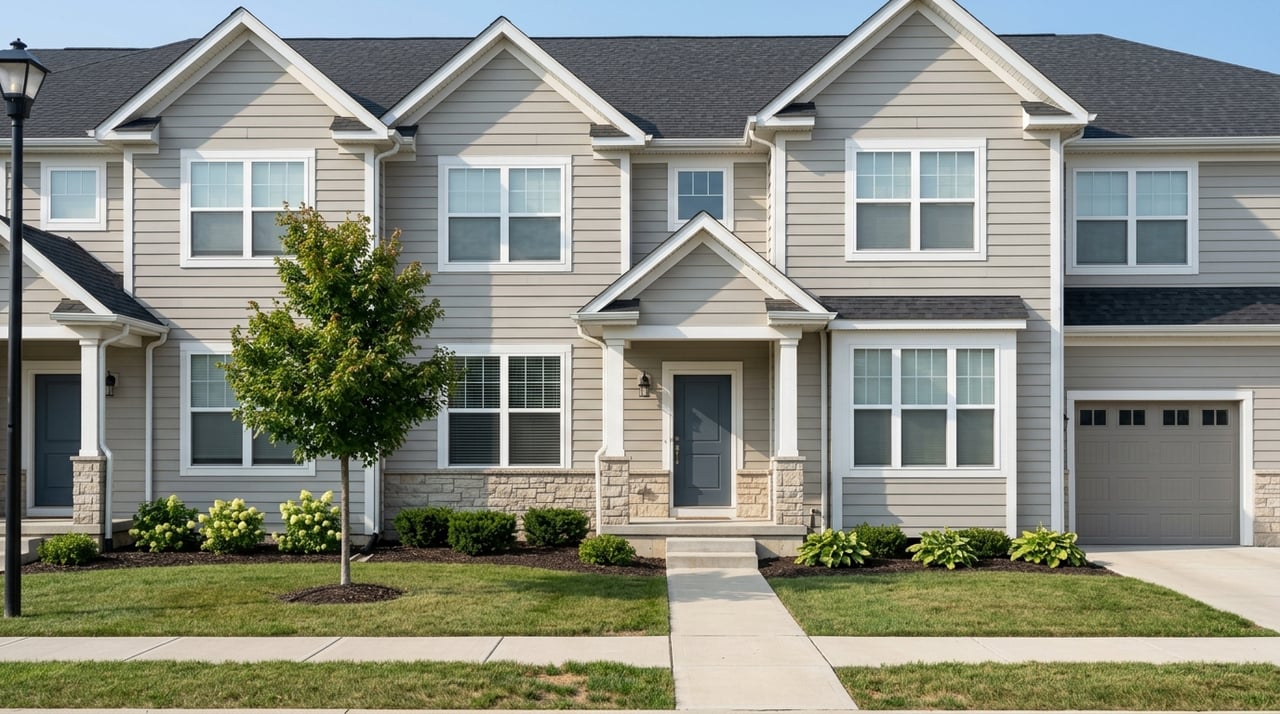
Ada Village Condo And Townhome Living Guide
June 25, 2026
June 25, 2026
Looking for a home in Ada that gives you village convenience without the full workload of a large yard and exterior upkeep? Condo and townhome living can be a smart fit if you want to stay close to restaurants, coffee shops, trails, parks, and community events while simplifying day-to-day maintenance. If you are considering attached housing in Ada Village, this guide will help you understand the lifestyle, the tradeoffs, and the key ownership details to review before you buy. Let’s dive in.
Ada Village offers a lifestyle that feels connected and convenient. Ada Township describes the area as centered near the Grand and Thornapple Rivers, with more than 1,000 acres of public land and parks and more than 25 miles of trails. That gives you easy access to outdoor space while still being near the village core.
Daily life is part of the appeal. The Discover Ada directory notes a wide variety of restaurants, coffee shops, and a specialty grocery store in the village. The area also includes a Social District, where adults 21 and older can purchase beverages from participating businesses and enjoy them in the designated commons area from noon to 10 p.m. each day.
The community calendar adds another layer to the lifestyle. Ada’s 2026 Farmers Market runs on Tuesdays from June 2 through October 27 and features more than 30 seasonal and weekly vendors. Other programming includes Music on the Lawn, Beers at the Bridge, holiday bridge events, and seasonal gatherings that support a walkable, event-driven village atmosphere.
Ada Township’s 2023 master plan identifies the Village character area as the downtown district, where restaurants, offices, retail, and residential uses come together. The plan notes that attached residential units and mixed-use buildings have increased in the core village. It also says townhouse developments have been approved along Fase Street.
That planning trend matters if you are looking for lower-maintenance housing in a central location. Attached homes in or near Ada Village are becoming a more visible part of the local housing mix. In practical terms, this gives buyers an option between a traditional detached house and a more urban-style living arrangement.
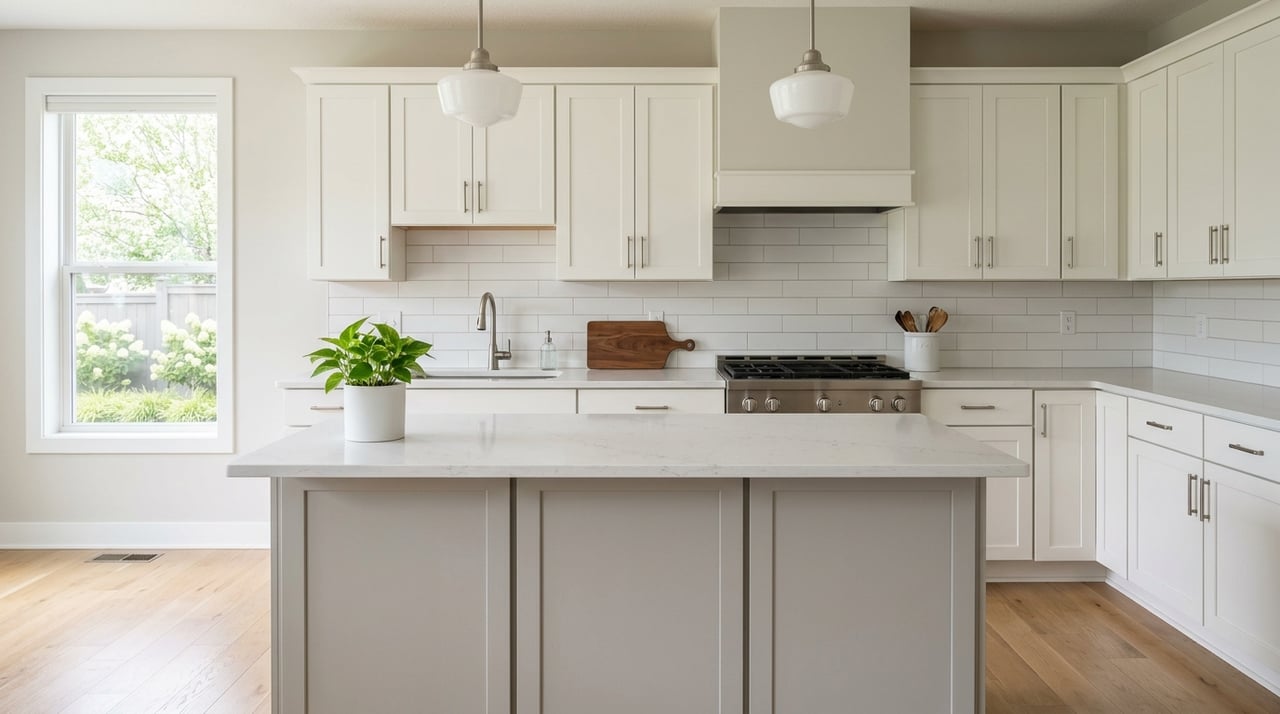
Recent listing examples suggest that condo and townhome layouts in the area are often multi-level and more compact than many detached suburban homes. Examples included homes around 1,938 to 2,105 square feet, with features such as 3 bedrooms, multiple bathrooms, attached garages, finished basements, private decks, and in one case a main-level primary suite. While individual properties vary, these examples show the kind of layout many buyers can expect to see.
In Ada Village, condo and townhome living is often a location-and-lifestyle choice. You may give up some private-yard space and some control over exterior decisions, but you gain proximity to village amenities and a reduced personal maintenance burden. For many buyers, that trade feels worthwhile.
This setup can be especially appealing if you want to spend more time enjoying the area and less time managing exterior chores. Parks, trails, dining, events, and pedestrian spaces are part of the value. If your goal is convenience and connection, attached housing may align well with how you want to live.
Before you buy, it is important to understand that a condo is not just a home type. It is also a legal and governance structure. Michigan’s Condominium Buyer’s Handbook explains that condo ownership includes private association rules, common-element responsibilities, and financial obligations that differ from owning a detached home with no association.
Buyers should receive core documents that explain how the community operates. According to the State of Michigan, these include the recorded master deed, purchase agreement, escrow agreement, the Condominium Buyer’s Handbook, and a disclosure statement. That disclosure statement should cover items such as the developer’s experience, warranties, financing for unfinished improvements, and an itemized association budget.
The association itself plays a major role in how the property is run. Michigan says the developer first appoints the board, and control later transitions to the co-owners. The co-owners then become responsible for maintaining common elements such as exteriors, lawns, private roads, recreation facilities, utility systems, and hallways, depending on the project.
When you buy in a condo or townhome community, the documents are not a formality. They tell you what you own, what the association maintains, what rules apply, and what costs you may face over time. In many communities, these details affect your monthly budget and how much flexibility you have with the property.
The master deed and bylaws are especially important. Michigan’s handbook notes that condominium documents can address rental and occupancy terms, which means you should never assume all attached homes allow the same uses. If future renting matters to you, or if you want clarity on occupancy rules, those documents should be reviewed early.
Exterior changes are another area to check carefully. If you are thinking about updating doors, paint colors, decks, lighting, landscaping, or other visible elements, the documents may spell out what requires approval. Reviewing this before you write an offer can help you avoid surprises later.
Monthly dues vary by community, so there is no one-size-fits-all answer. What matters is understanding exactly what the dues support in the specific association you are considering. In many condo communities, fees are tied to the maintenance of common elements and shared operations.
Michigan identifies common elements that may include exteriors, lawns, private roads, recreation facilities, utility systems, and other shared areas. That often means dues can relate to services like landscaping, snow removal, exterior upkeep, and long-term repair planning, depending on the community structure. The key is to match the fee amount with the actual responsibilities the association has taken on.
You should also ask whether there are any recent fee increases or planned changes to the budget. A lower monthly fee is not always better if reserves are weak or major work is being deferred. Looking at the full financial picture gives you a better read on value.
One of the most important questions to ask is whether the association is financially prepared for major repairs. Michigan requires condominium associations to maintain a reserve fund for major repairs and replacement of common elements. The minimum amount is 10% of the annual budget on a non-cumulative basis.
That reserve requirement matters because roofs, pavement, exterior surfaces, utility systems, and shared infrastructure do not last forever. If the reserve fund is not enough when a major expense hits, the association may levy additional assessments. Michigan also states that monthly fees and assessments are a lien on the unit, and owners are not excused from paying simply because they do not use the common elements.
For buyers, this means the monthly dues are only part of the story. You should also understand reserve strength, planned capital projects, and whether the association has a history of additional assessments. Those details can affect both affordability and peace of mind.
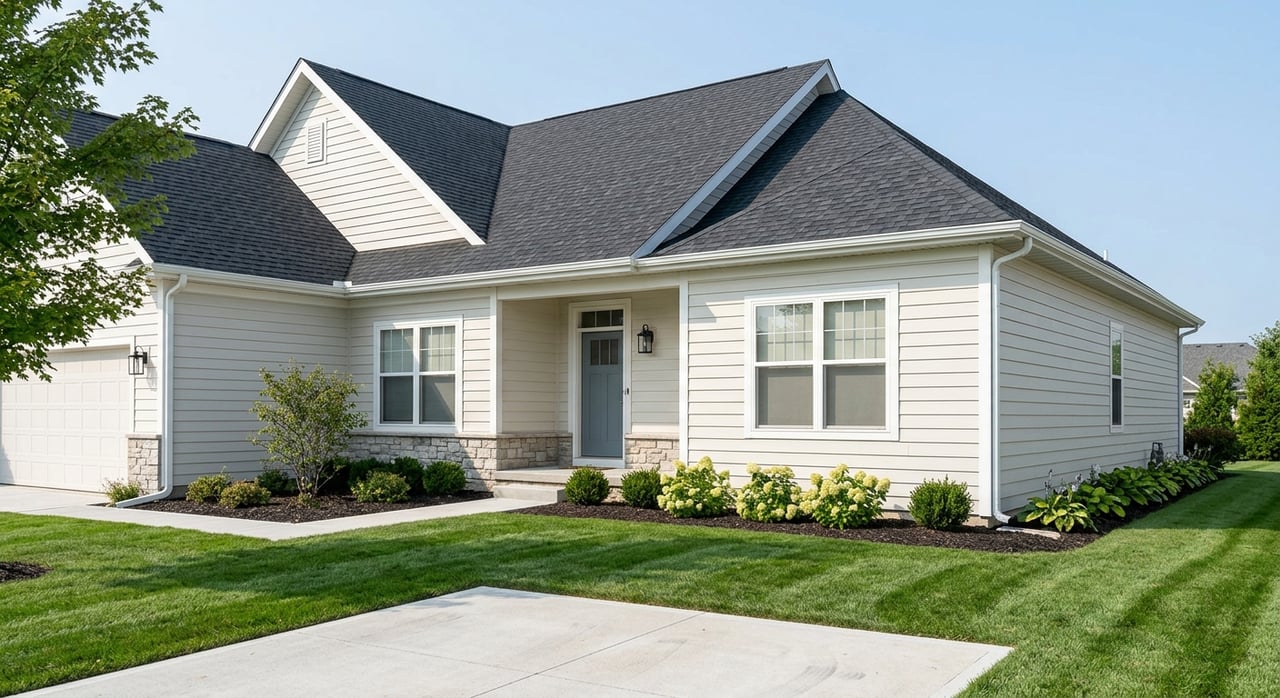
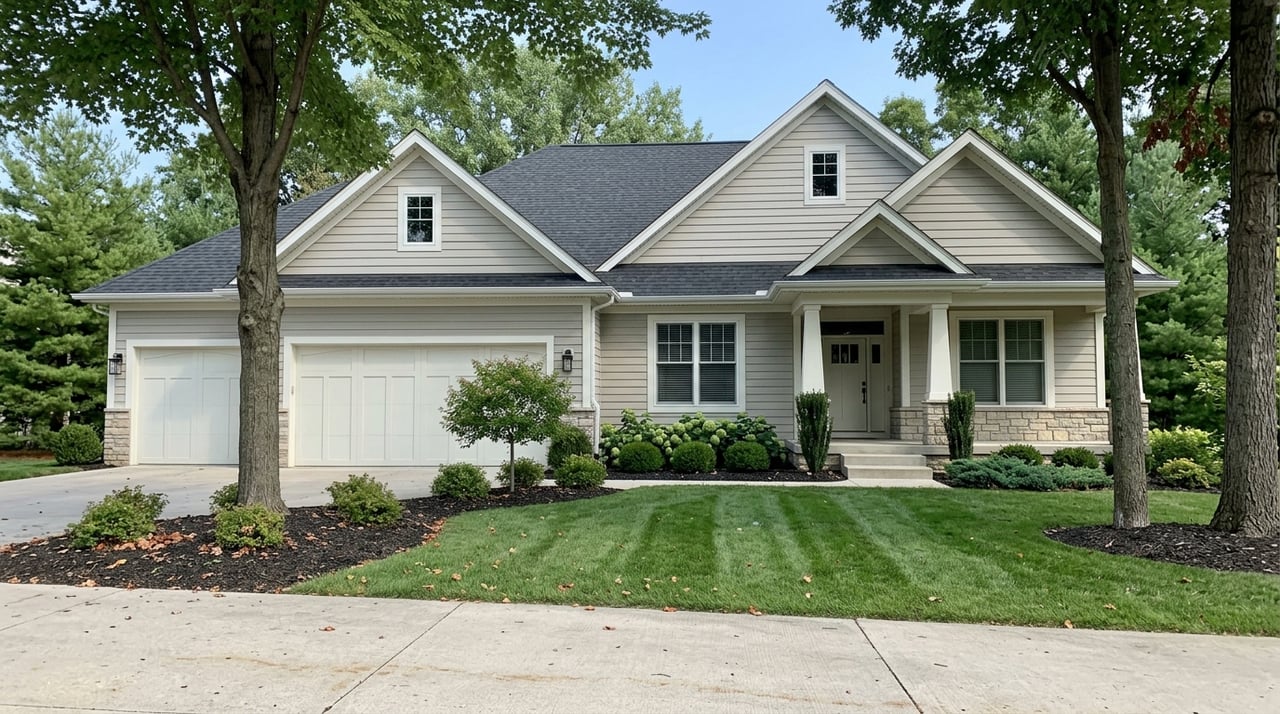
In Michigan, the physical style of a home does not always tell you the legal structure. Some townhouse-style or even detached homes may be legally organized as site condominiums. That can surprise buyers who assume a freestanding home automatically works like a traditional house lot.
Michigan’s handbook explains that a site condominium is commonly used for single-family detached housing within condo law, even though it is not separately defined in the act. These projects still must comply with the Condominium Act. The handbook also notes that site condo documents are not reviewed by the State for conformance.
That is why it is important to ask exactly what type of ownership you are buying. If the home is part of a condominium regime, the documents and association structure deserve the same level of review whether the property looks like a townhome, a duplex-style unit, or a detached home.
If you are comparing condo or townhome options in Ada Village, focus on the questions that affect both lifestyle and long-term cost. A careful review upfront can make your decision much easier.
Here are some of the most useful questions to ask:
These questions are practical, but they also protect you. In attached housing, the right fit is about more than square footage and finishes. It is about making sure the ownership structure supports your goals.
If you want a home base that keeps you close to dining, coffee shops, trails, parks, and community events, Ada Village attached housing can be an attractive option. The area’s planning direction shows continued support for village-centered residential growth, and the local setting offers a mix of outdoor access and everyday convenience.
The best fit usually comes down to priorities. If you value walkability, lower exterior maintenance, and a more connected village setting, a condo or townhome may check the right boxes. If you prefer full control over exterior decisions, fewer shared obligations, or more private outdoor space, a detached home may still be the better match.
A smart purchase starts with understanding both the lifestyle and the documents. When you look closely at the association structure, dues, reserves, and rules, you can move forward with more confidence and fewer surprises.
If you are weighing condo or townhome options in Ada and want local guidance on location, resale potential, and what to look for in the documents, Kate Houseman can help you make a clear, informed decision.
Stay up to date on the latest real estate trends.
Get assistance in determining the current property value, crafting a competitive offer, writing and negotiating a contract, and much more. Contact me today.